Best time of year to fly over Teotihuacan
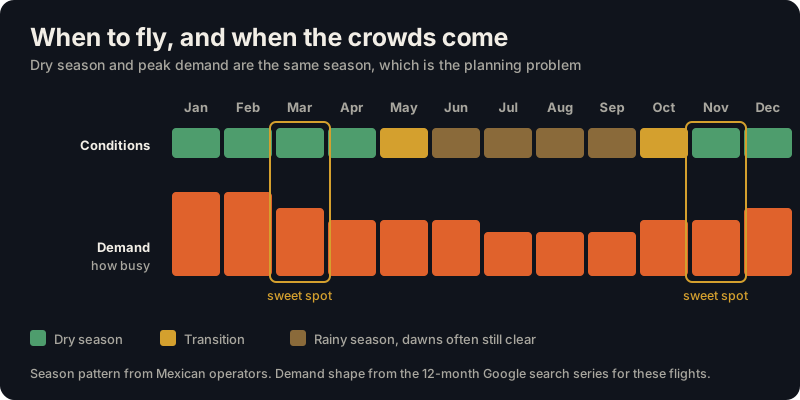
The dry season and the busy season are the same season, which is the whole planning problem in one sentence.
 By Alejandro Ramírez, Teotihuacan hot air balloon specialist and experience guide
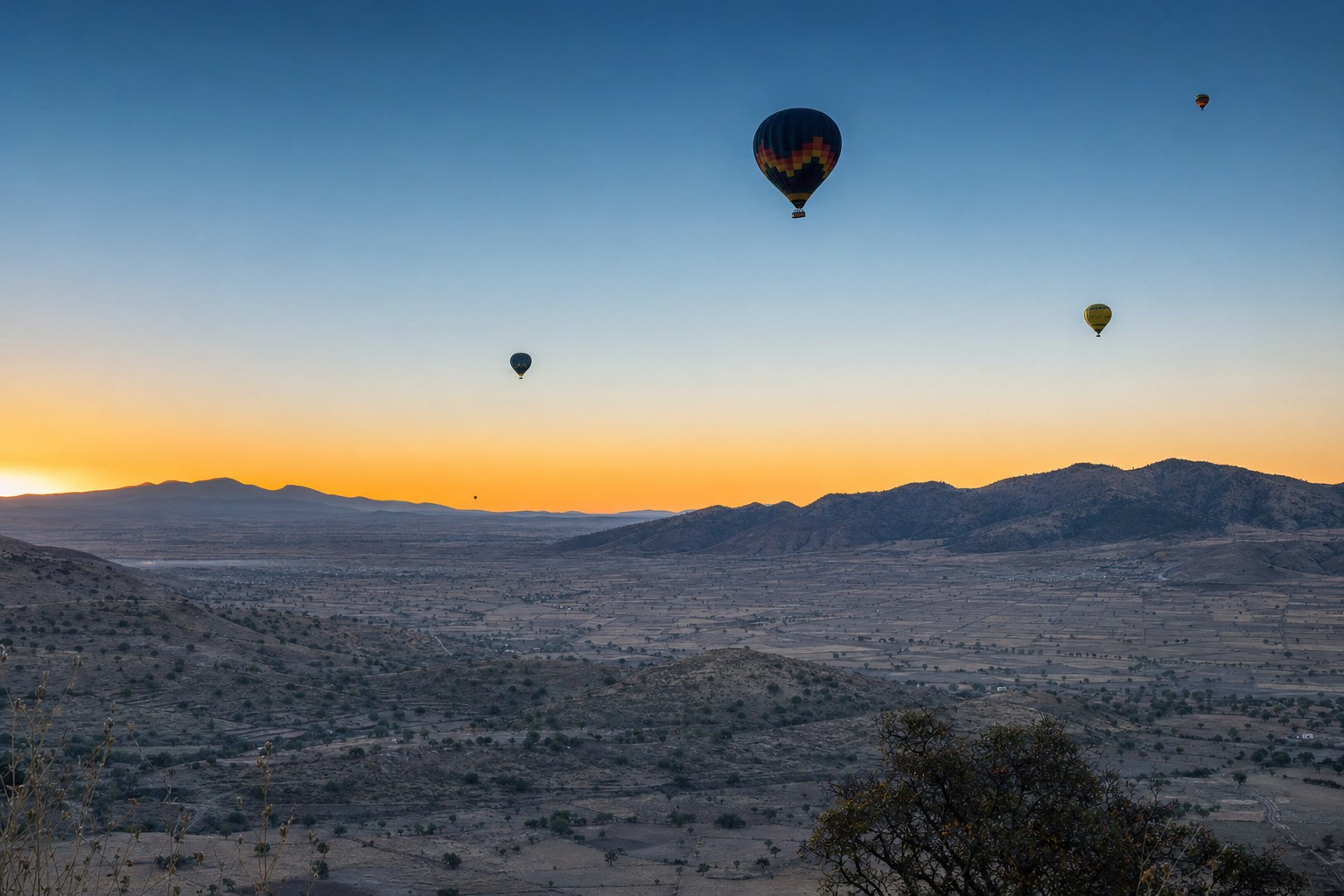
Short answer
November through April is the dry season in central Mexico and the best window: clearer skies, calmer winds and the highest chance your flight actually launches. June through October is the rainy season, though rain here usually arrives in the afternoon rather than at dawn, so morning launches often still go ahead. January and February are the busiest months by a wide margin, so book further ahead for a specific date. July and August are the quietest.
Central Mexico has two seasons rather than four, and ballooning cares about exactly one thing: whether the air at dawn is calm and clear. That splits the year cleanly.
Booking choice
Dry-season dates, especially December to February, book out first, and free cancellation up to 24 hours makes holding one early costless. Check your month on the schedule before you fix the rest of the itinerary.
The year at a glance
| Month | Conditions | Demand | Verdict |
|---|---|---|---|
| November | Dry season begins, clear and cool | Rising | Excellent, and quieter than January |
| December | Dry, cold at dawn, very clear | High, peaks around New Year | Excellent conditions, book well ahead |
| January | Dry, coldest dawns of the year | Peak | Best conditions, worst availability |
| February | Dry, clear, warming | Peak | Arguably the sweet spot for weather |
| March | Dry, warmer, occasional haze | High | Very good |
| April | End of the dry season, warmest before the rains | Moderate | Good, with more haze |
| May | Transition, first storms | Moderate | Variable |
| June to September | Rainy season, afternoon storms, humid | Lowest | Workable at dawn, riskier overall |
| October | Rains easing | Rising | Improving through the month |
Why the rainy season is less bad than it sounds
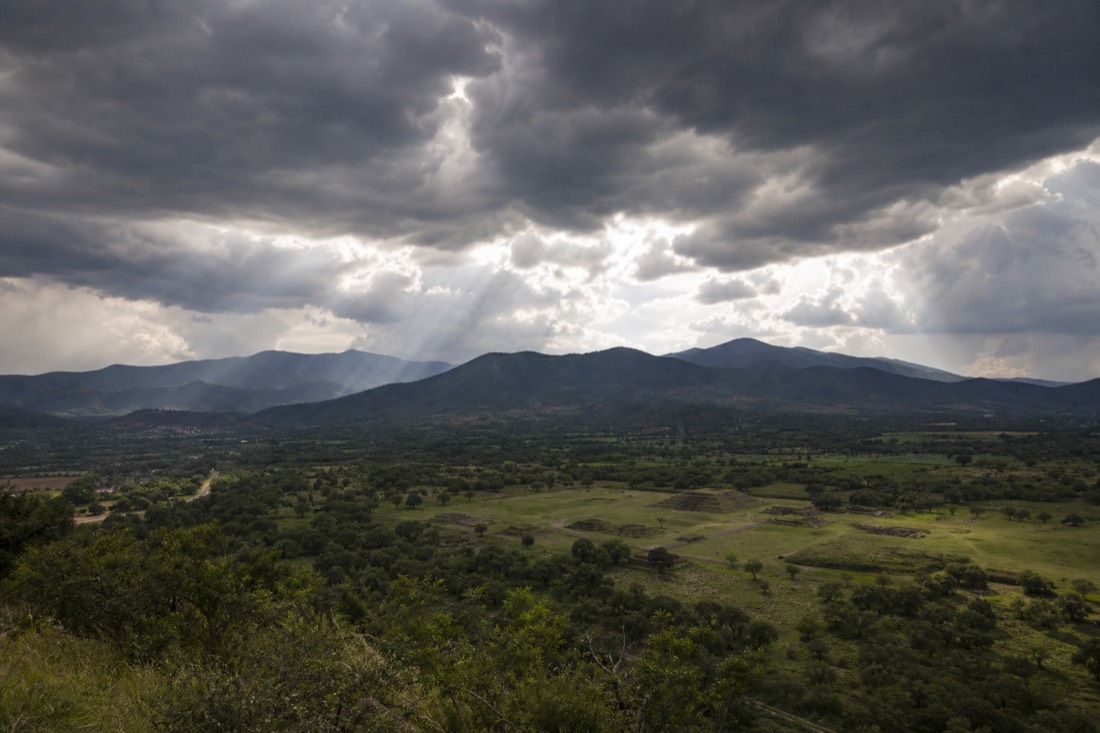
Central Mexico's rain is a convection pattern rather than a weather front. Heat builds through the day, storms break in the afternoon or evening, and mornings are often clear. Since balloons here fly at dawn and are back on the ground by eight, they operate in the good part of the day even in July.
That does not make June to October equivalent to January. A wetter airmass means more low cloud, more days when visibility is poor at first light, and a higher chance the pilot decides against launching. It means the odds shift, not that flights stop.
What it does mean practically: if you are travelling in the rainy season, book the flight for your first available morning rather than your last. A cancellation on day one can be rescheduled. A cancellation the morning before your flight home is just a refund and a regret.
The demand curve, which nobody mentions
Search interest in these flights follows a clear annual shape: it climbs through autumn, peaks in January and February, and falls to its lowest point in July and August. Winter is the high season for these flights by a considerable margin.
That matters for two reasons. Availability tightens, and the listings with hotel pickup from Mexico City go first because they are the convenient ones. And the flights are fuller, which if you were considering a private basket is precisely when the difference between two people and sixteen is most noticeable.
If you have flexibility, November and March are the underrated months: dry-season conditions without the January crush.
If your dates fall in that window, it is worth looking at what is actually free before the peak swallows it: check live availability for your date on the flight with the largest review history, or compare the GetYourGuide options if you would rather build the day yourself from $159.
The cold nobody warns you about
The Teotihuacan valley floor sits at 2,121 metres above sea level. Winter dawns there are genuinely cold, and you are standing in a field for an hour before anything happens, then in a basket in moving air.
We are not going to print a temperature figure, because we could not source a reliable one for dawn at the launch fields, and a made-up number is worse than no number. What we will say is that visitors consistently underestimate this, and that "it might be cold when you're up in the hot air balloon, especially since most tours start before sunrise" is the standard operator warning. Layers you can shed once the sun is up. The what to wear guide is specific about it.
What time of year does not change
Some things people expect to be seasonal are not.
| Take-off time | Always at first light, always once a day. Sunrise shifts by about an hour across the year, so your pickup shifts with it, but the structure of the day is identical in January and July. |
|---|---|
| Flight length | Thirty to sixty minutes, decided by wind on the morning, in every month |
| Price | Operators do not publish seasonal tiers. What changes is availability, not the sticker. |
| The zone | The archaeological site opens 08:00 to 17:00 year-round, with last access at 16:30, and the [entry fee](/guides/teotihuacan-tickets-hours-entry-fee/) does not move with the season |
How far ahead to book, by month
The demand curve above translates into a fairly simple booking rule once you attach lead times to it.
| January-February | Several weeks ahead for a specific date, longer around New Year |
|---|---|
| November, December, March | A couple of weeks is usually enough |
| April, May, October | A week or so of lead time is comfortable |
| June-September | Short notice is usually fine; the constraint here is weather, not availability |
None of these lead times are official policy from any operator; they follow directly from the demand curve above. Treat them as a planning guide rather than a guarantee, and remember that free cancellation up to 24 hours before on the platform listings means booking early costs you nothing if your plans change.
How to build a date that survives bad luck
The single best piece of planning here is redundancy. Book the flight for a morning with at least one spare morning after it, and choose a package that includes the guided pyramids so a cancellation still leaves you with a day at the site. Operators reschedule by preference: We Fly offers a free reschedule or a refund of the flight portion, and Volare allows a reschedule with no extra fee, and both of those are worth more to you if you are still in the country.
The platform listings all carry free cancellation up to 24 hours before, so booking early in the peak season costs you nothing in optionality. The comparison page shows which listings bundle the ruins.
Matching your dates to the season, in one table
If you already know your travel dates, this collapses the whole guide into a single lookup.
| Your dates | What to expect | What to do about it |
|---|---|---|
| December to February | Best flying conditions of the year, and the busiest booking window | Book several weeks ahead for a specific date, especially a hotel-pickup listing |
| March or November | Dry-season conditions, noticeably quieter booking than the peak | The underrated window. Book with normal lead time. |
| April or May | End of the dry season, warmer, more haze | Still solid conditions. No special planning needed. |
| June to September | Rainy season; mornings often clear even when afternoons are not | Book your first available morning of the trip, not your last, in case of a reschedule |
| October | Rains easing through the month | Improves as the month goes on; early October carries more risk than late October |
What Alejandro watches on a rainy-season morning
Coordinating flights through every season since 2015 means Alejandro's team has a practical read on rainy-season mornings that a seasonal calendar cannot give you: the decision is rarely about whether it rained yesterday, it is about the wind and cloud base at first light on the day itself. A clear dawn after a wet afternoon is common in the rainy season and usually flies without issue. What actually grounds a flight is low cloud sitting on the valley or a wind that has not settled by check-in time, and that can happen in any month, dry season included, just less often. His advice for anyone flying between June and October: treat the forecast as a rough guide, not a verdict, and keep the spare-morning plan regardless of what the app says the night before.
Timing questions
What is the best month to fly a balloon at Teotihuacan?
February, on balance: dry-season conditions with slightly warmer dawns than January and clearer air than April. November and March are close behind and considerably easier to book, since demand peaks in January and February.
Can you fly during the rainy season?
Yes. Rain in central Mexico usually falls in the afternoon and evening, so dawn launches often go ahead through June to October. The risk of a weather cancellation is higher than in the dry season, so book your first available morning rather than your last and leave room to reschedule.
Which months have the fewest cancellations?
November to April, on the basis that it is the dry season with calmer winds. No operator publishes cancellation statistics for Teotihuacan, so anyone quoting you a percentage by month has invented it. Treat this as a probability shift rather than a guarantee.
How far ahead should I book?
In December to February, several weeks for a specific date, especially for a listing with hotel pickup. In July and August you have far more room. Every platform listing carries free cancellation up to 24 hours before, so booking early costs nothing.
Does the flight change with the seasons?
Only the clock. Take-off tracks sunrise, so your pickup is earlier in summer and later in winter. Flight length, altitude, route and price are unaffected by the calendar.
Plan your morning above Teotihuacan
Check the outing that fits your day
Initial editorial choice, not a personalized eligibility check. Confirm the operator’s full requirements before booking.
When do you want to fly, and how fixed are your dates?
This screens only the details you enter. Health, pregnancy, the 220 to 308 lb balloon surcharge band, language, pickup zones and all remaining restrictions still need operator confirmation. Time allowances include check-in and travel where the listing states them.
- Balloon flight with CDMX pickup, cave breakfast and pyramids visit. The full sunrise sequence in one booking: flight, cave breakfast and the ruins walked with a guide. About 4 to 7 hours door to door; pickup between 4:20 and 5:10 a.m. Shared basket; you climb into the basket. Site entry fee is extra. Over 100 kg (220 lb) up to 120 kg costs MXN 500 more; over 120 kg up to 140 kg costs MXN 1,000 more, per the listing. Weather moves or cancels flights.
- Teotihuacan balloon flight with optional pyramids tour. The simplest way to book the flight itself, with add-ons only if you want them. 50-minute flight; half-day to full experience depending on options. The pyramids tour and transport are options, not defaults; check what your selected option includes. Operator age limits need confirming on the listing before booking young children.
- Balloon ride with breakfast and central meeting-point transport. Fixed, simple logistics: one known central meeting point, no hotel-by-hotel pickup circuit. Morning into early afternoon; confirm timings on the listing. You reach the Angel de la Independencia meeting point on your own; that is not a hotel pickup. Confirm age limits on the listing.
Compare your actual party totals
Enter current quotes in the same currency. “Separate spending” means costs you would actually avoid, not a day you still pay for.
Balloon flight with CDMX pickup, cave breakfast and pyramids visit
Have a travel date in mind? Check it before arranging the rest of the day. The full sunrise sequence in one booking: flight, cave breakfast and the ruins walked with a guide.
About 4 to 7 hours door to door; pickup between 4:20 and 5:10 a.m. Balloon flight, toast and flight certificate, optional underground-cave breakfast, about 1.5 hours in the archaeological zone, transport from Mexico City when selected.
Shared basket; you climb into the basket. Site entry fee is extra. Over 100 kg (220 lb) up to 120 kg costs MXN 500 more; over 120 kg up to 140 kg costs MXN 1,000 more, per the listing. Weather moves or cancels flights.
Schedule loading. You can still check dates directly on Viator below.
Scheduled dates are not confirmed seats. Select the same date on Viator to confirm availability and the final price.